
2026 Oregon Big Game Preview

New mule deer hunt areas highlight changes for this fall.

By Jim Yuskavitch

A mild winter followed by a likely hot, dry summer are the bookends between which this year’s big game prospects are lodged. The mild, lean-snow winter made for easier access to forage and minimal winter mortality for both adults and offspring. But a droughty summer, especially if it’s severe and lengthy, will give big game animals a challenge to navigate. Such summer weather conditions could also affect hunter access for the upcoming season if large swaths of timberlands are closed due to wildfire danger, especially if the risk continues well into the fall where it will affect more hunts.

But overall, it looks like hunters will encounter generally healthy numbers of deer, elk and other big game, with exceptions here and there. A selection of Oregon Department of Fish and Wildlife biologists from around the state offered their views on big game numbers and how things might shake out for hunters this year. Here’s what they had to say.

Deer

Black-tailed deer populations within their range west of the Cascades have been making what appears to be a steady comeback over the past five years or so. Reasons for past lower numbers included predation, habitat changes and disease. More recent surveys show a stable population along with gains in some wildlife management units.

Deer hair loss syndrome is still present in Coast Range animals, and at one time was widespread. It’s less common now, and because it doesn’t cause much mortality, it’s no longer a particular concern.

“Overall, things are looking good for black-tailed deer on the North Coast,” said Tillamook-based Assistant District Wildlife Biologist Austin Reeder. “Deer numbers are looking strong.” He did express some concern over the mild winter, which, while good for deer and elk survival, might affect the severity of the fire season. That will be the general situation all the way down the Coast Range.

The status for black-tailed deer along the west slope of the Cascade Range is equally good. 

“Our deer are doing pretty well, and the numbers are going up,” reported Assistant District Wildlife Biologist Alejandra Martinez, who works out of the Springfield office. “We’re seeing lots of young bucks, but the older, bigger bucks are getting harder to find on the landscape.”

That’s setting off alarm bells because that relatively recent decline in trophy buck numbers is due largely to poachers’ increasing use of thermal imaging devices to locate animals.

Under current rules, if you are in possession of a firearm, tag and thermal device, you are breaking the law. 

The situation is serious enough that industrial timberlands owners are getting involved. If someone hunting in the East Lane Travel Management Area is caught with a thermal imaging device, they and their entire party will be permanently banned from the property.

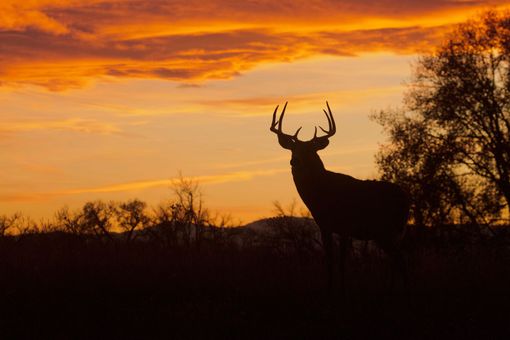
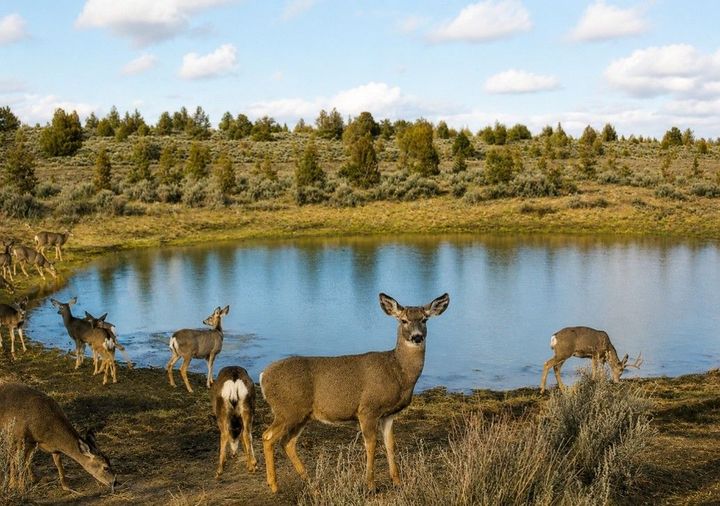
East of the Cascades, in mule deer country, the situation is different. Mule deer populations have been declining across the western U.S. for a number of years and Oregon’s mule deer haven’t been spared. There are multiple causes for this decline, but habitat degradation and loss is the primary culprit.

But that doesn’t mean all is doom and gloom for hunting prospects. Even with an ongoing population-wide decline, deer numbers can still be up in particular places. That’s the current case for northeast Oregon mule deer.

“Deer are doing pretty good,” said Enterprise-based Assistant District Wildlife Biologist Katrina Lopez. “We had a significantly high survival rate over the winter, and we are above all our goals.”

Northeast Oregon is also white-tailed deer country, and this year deer in the Wallowa Valley had some problems with Epizootic hemorrhagic disease, or EHD, a viral infection that can cause extensive hemorrhaging and is sometimes fatal.

“But we still have lots of white-tailed deer and good hunting opportunities, especially in the national forest, upper Wallowa Valley, and the Lostine and Wenaha areas,” said Lopez.

Further south in High Desert country, Hines-based District Wildlife Biologist Lee Foster reported, “We had a mild winter with good overwinter survival. Our buck ratios are at or above management objectives.” 

He noted that beginning this year, ODFW is implementing new hunt areas for deer that, in addition to potentially boosting hunter success rates, will give the agency additional data for tracking and assessing mule deer numbers.

On a more negative note, Foster added, “It looks like we are going into a drought this year. The desert is going to be very dry, and water will be a valuable commodity.”

ODFW estimates the current mule deer population in Oregon at 113,084 within 77 hunt units — well below the statewide management objective of 346,200.

Elk

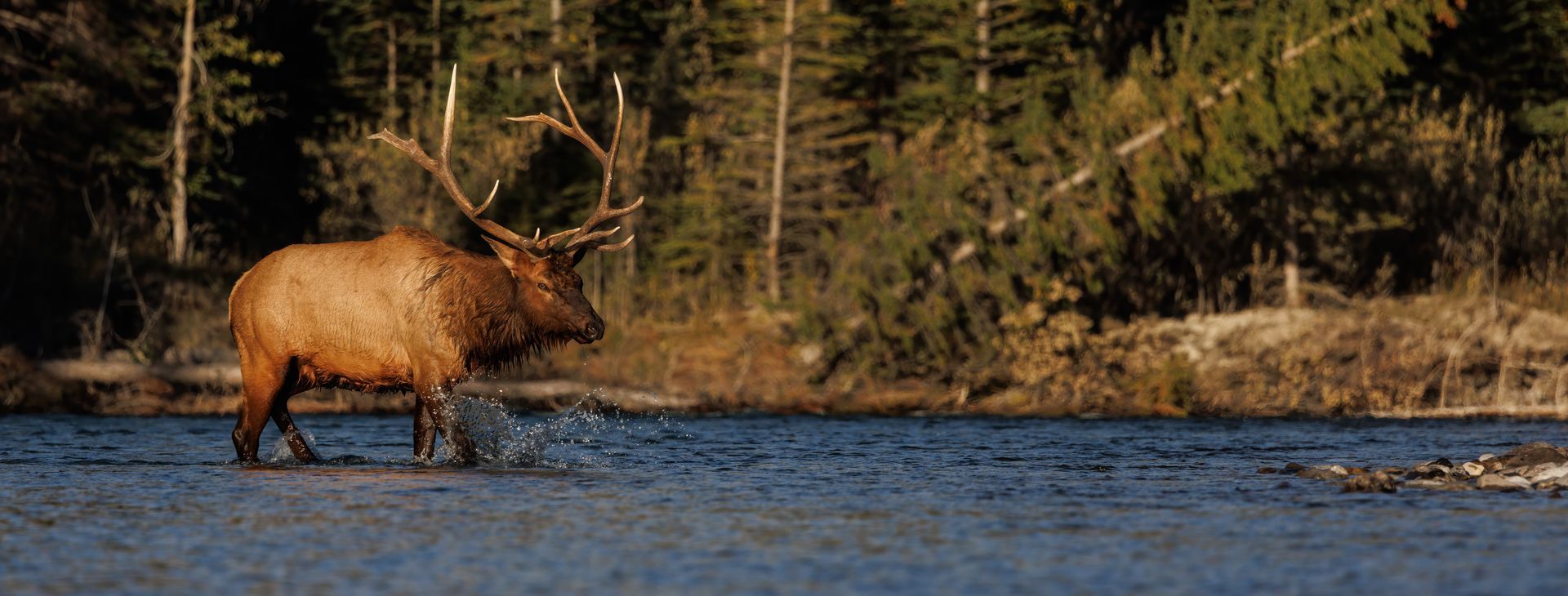
Although Roosevelt elk herds are not doing as well overall as their eastern Oregon counterparts, hunters can expect decent hunting opportunities along the Coast Range, driven partially by the mild winter and ongoing logging operations on private timberlands that produce early seral-stage vegetation. 

Austin Reeder reported that his North Coast elk herds are fine and are at management objective in the Saddle Mountain Unit.

It’s a different story along the west slope of the Cascade Range. 

“Elk are still having difficulty in the Cascades,” explained Alejandra Martinez. “The habitat isn’t as good as it used to be due to a decline in logging that opened up habitat for them.”

Unlike the Coast Range, where considerable acreage is in active commercial timberlands ownership, the majority of the Cascades is managed by the U.S. Forest Service or Bureau of Land Management where the number of timber sales has dropped considerably over the past three decades.

While wildfire on the Cascade landscape does open habitat to new growth, it doesn’t help elk as much as one might assume. Christopher Yee, wildlife biologist also based in Springfield, pointed out that while both deer and elk use areas after a fire, elk don’t respond with a big population jump the way deer do. ODFW has stopped offering cow tags in the Cascades to help stem the decline, but that is really their only tool, because it’s the federal government that manages the habitat.

“Habitat,” said Martinez, “is our biggest concern.”

As is typical, the scenario for Rocky Mountain elk in northeast Oregon is considerably better.

“Elk had really good survival over the year and roughly the same numbers as last year,” said Katrina Lopez of the Enterprise ODFW office. “We had a mild winter, and the elk stayed up in the forest a little longer.”

She did note that they are going into drought conditions and that may result in poor forage, which – along with predation – could affect elk numbers over the course of the year.

The biggest challenge to elk hunters in that part of the state may be access rather than elk numbers. Industrial timberlands owner Manulife has ended its public access agreement with ODFW’s Access and Habitat Program to 270,000 acres in northeast Oregon along with another 12,400 acres in southwest Oregon.

While not known for its elk hunting, the High Desert region does provide some opportunity, mainly in the Silvies, North Malheur and High Desert units. Lee Foster reported some good news in that, after years of struggling with low bull ratios, they are now at management objective in the North Malheur Unit. 

Foster noted that, “Calf ratios were not that great this year. That’s a result of the winter kill from winter of 2024-25 that reduced cow elk numbers.” Because of that delayed effect, hunters will be seeing fewer spike bulls this year than is typical.

The current Roosevelt elk population estimate is 48,944. Management objective is 70,850. There are an estimated 67,394 Rocky Mountain elk in the state, just shy of the 73,450 objective.

Pronghorn

“We had a really good crop two years ago,” said Lee Foster. “They won’t be mature bucks this year, but they will be next year. Hopefully, hunters will recognize that.”

He did note that the hard winter of 2024-25 also took a bite out of the pronghorn population, although the impacts were most severe in the southern part of Lake County.

The current pronghorn population is estimated at 25,000.

Bighorn Sheep

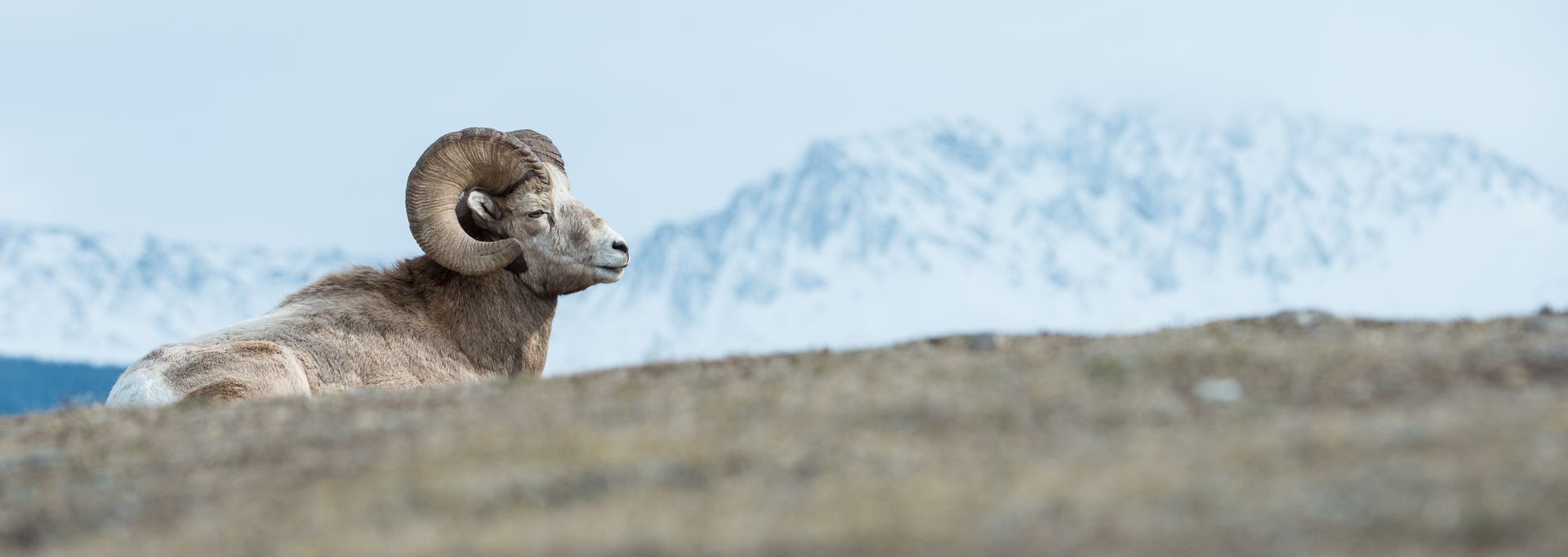
Both Lopez in Enterprise and Foster in Hines reported that their bighorn herds – Rocky Mountain bighorns and California bighorns, respectively – are doing well with no recent disease issues. Lopez noted that the last pneumonia outbreak in her district was the Wenaha herd in 2024.

Nevertheless, ODFW continues to monitor bighorn herds statewide for Mycoplasma ovipneumoniae, or Movi, infections. In February, working with the Hells Canyon Bighorn Sheep Recovery Initiative partners, ODFW biologists captured and GPS collared 59 Rocky Mountain bighorn sheep from the Mountain View herd and another 29 from the Wenaha Wildlife Area as part of its ongoing disease testing work.

General estimates for bighorn populations in Oregon are 900 to 1,000 Rocky Mountain bighorn sheep and 4,000 California bighorns.

Rocky Mountain Goat

Oregon’s Rocky Mountain goat population continues to do well and is largely stable. The estimated population is 1,100 to 1,300 with most in the Elkhorn and Wallowa Mountains, along with herds in the Strawberry Mountains and central Cascades around Mount Jefferson.

Lopez noted that two tags have been cut from the Snake River Herd hunt as ODFW felt they had been taking out too many nannies.

Leave a Reply