OHA seeks funds for key species

With the advancement of HB 4134, OHA prioritized a list of species of greatest conservation concern, key habitats, and major conservation issues found within the State Wildlife Action Plan (SWAP). OHA presented the list to ODFW and urged the agency to direct funds allocated to the SWAP toward those priorities. The species of greatest conservation concern include:

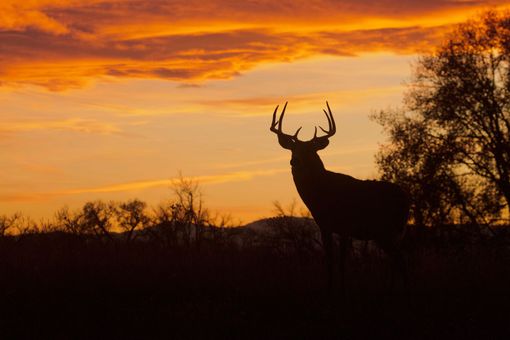
Columbian White-tailed Deer historically ranged from Roseburg into Washington, but have declined due to habitat loss and fragmentation. Better monitoring is needed to understand population trends.

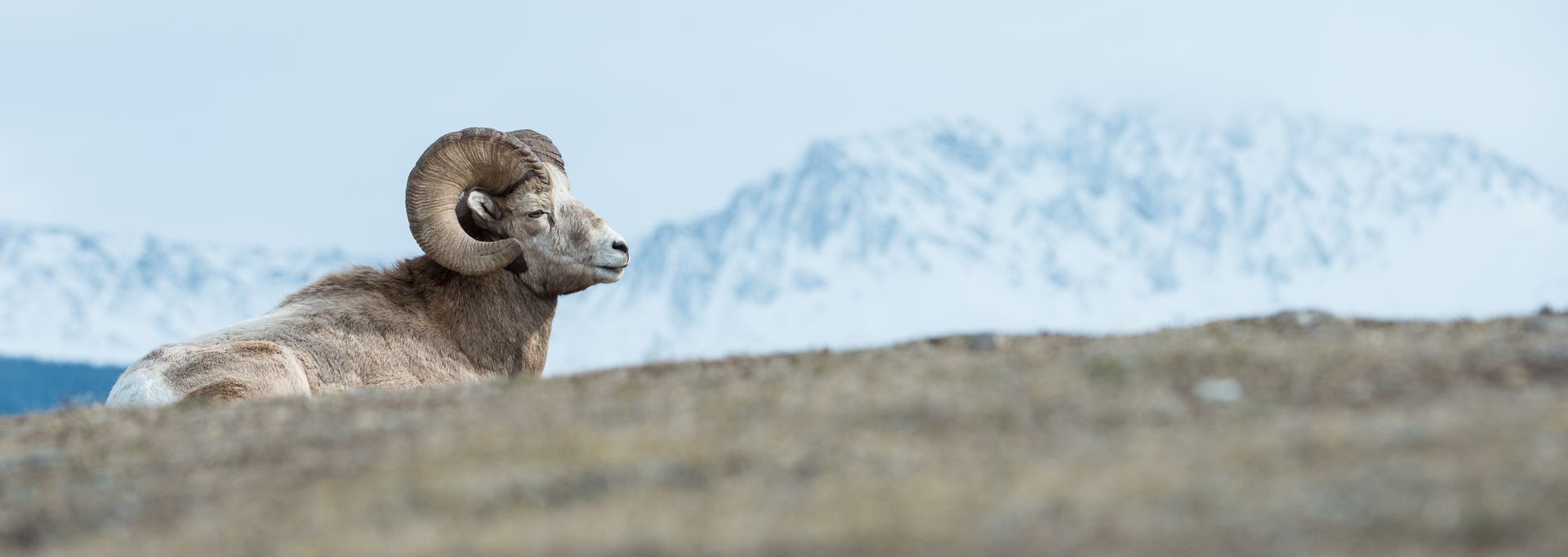
Rocky Mountain Bighorn Sheep have been restored in limited areas of Oregon, but there are still population gaps in the historic range from which they were extirpated. OHA encourages that a portion of funds generated by HB 4134 be prioritized for a new bighorn sheep management plan, translocation efforts as needed, and improved disease monitoring.

Columbian Sharp-tailed Grouse historically occupied a range encompassing more than half of the state of Oregon. A tenuous population of reintroduced birds remains in Wallowa County, but it is severely limited by habitat constraints and lack of supplemental project monitoring and implementation. To reestablish this iconic species in our state, it is key that we allocate SWAP funds toward identifying suitable habitats, habitat restoration, and restarting and monitoring translocation efforts.

Within the SWAP, OHA identified barriers to animal movement as its top conservation issue warranting wide-scale funding. Oregon ranks near the bottom of states in terms of its number of wildlife crossing structures. OHA requests additional funds be allocated from the SWAP funding to habitat connectivity and enhancement projects that help facilitate animal movement.

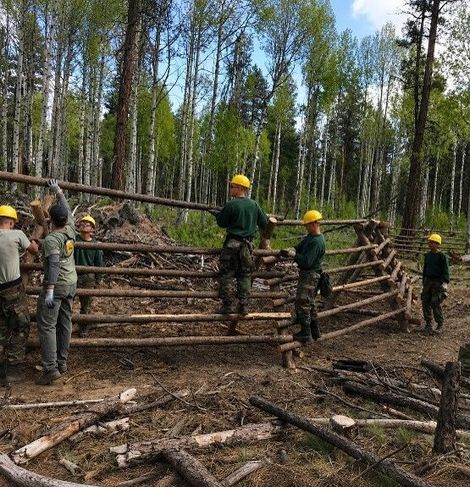
OHA supports all the key habitats within the SWAP and requested that ODFW allocate the majority of the $55.7 million generated by HB 4134 to habitat improvement projects.

Leave a Reply